Composite Post Insulator Rod
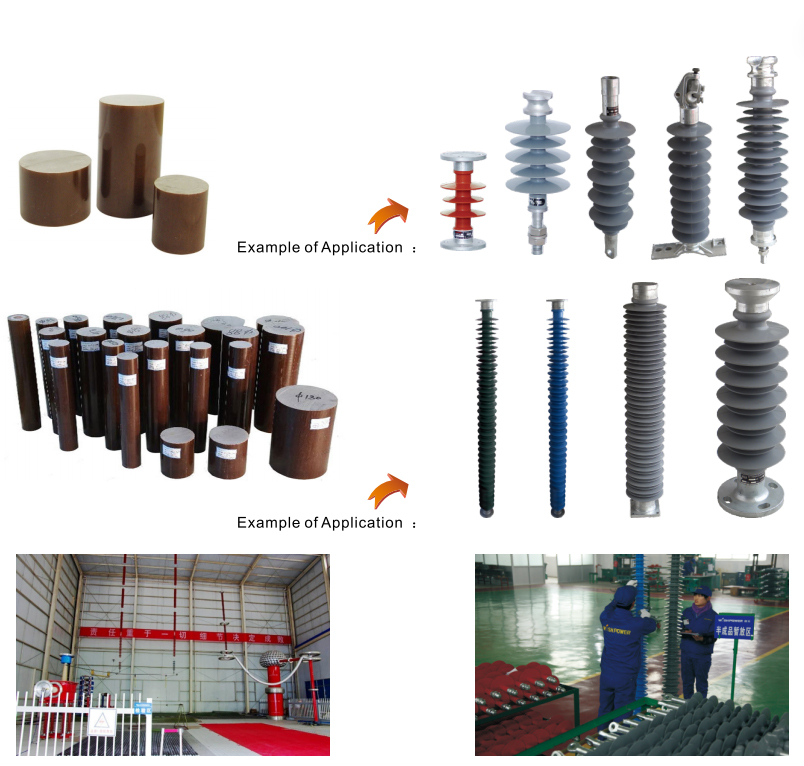
The core rod, also known as the pultruded electrical insulating rod, plays a dual role in the composite insulator structure – serving as both a mechanical connection and an internal insulation. Composite insulators are classified into two types based on their application scenarios: suspension type and column type composite insulators. These two structures have different requirements for the mechanical stress state of the composite insulator. The suspension type mainly considers tensile strength. The column type mainly considers bending strength and torsional strength. Based on 20 years of rich experience, Tepri Electricians believe that the following factors can be referred to for the appropriate selection of the core rod for composite insulators: the voltage level requirements and operating environment of the insulator to determine whether to use E glass fiber core rod or ECR glass fiber core rod, as well as the length of the core rod. The diameter of the core rod is determined by the mechanical requirements of the insulator, and the temperature resistance grade of the core rod to be selected is determined by the sulfurization temperature requirements during the insulator manufacturing process. After communicating with the customer, we will comprehensively provide the best technical solution during the selection of glass fiber materials, rubber compound formulation, and process design. We will offer a most reasonable cost-performance product to the customer. The core rod of Tepri Electricians complies with enterprise standards.
We refer to and implement the following standards, but some indicators are higher than the above standards:
National Standard GB/T19519
Power Industry Standard DL/T1580 DL/T810 DL/T864
International Electrotechnical Commission Standard IEC 61109 IEC 61952
American Standard ANSI C29.13
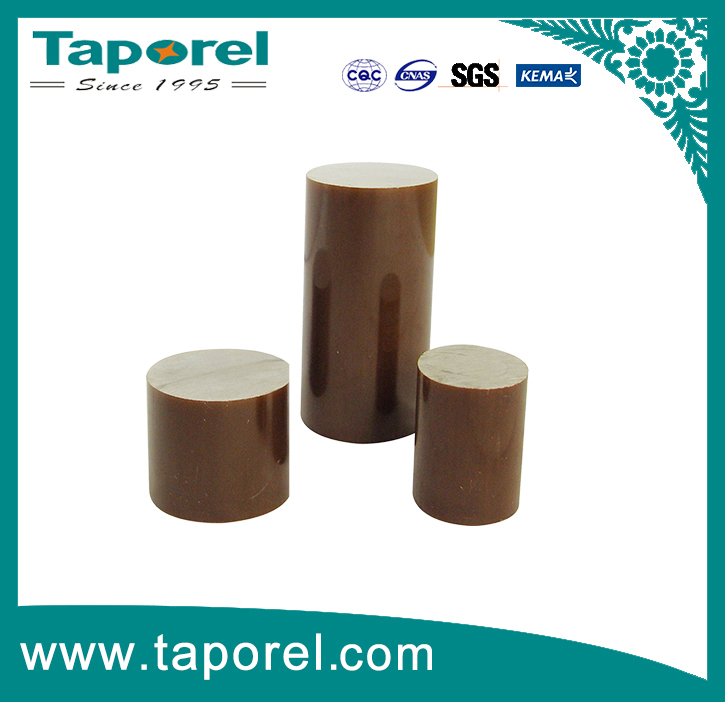
Type
The length is according to customer ‘s order.
We now have the molds below and new mold could be also made according to customer’s requirements.
Φ4.15、Φ5、Φ6、Φ8、Φ9、@9.5、@10、Φ12、@12.8、Φ13、Φ14、Φ15.7、Φ15.78、Φ15.87、Φ15.89、Φ16、Φ16.6、Φ16.95、Φ17、Φ17.48、Φ18、Φ18.62、Φ18.87、Φ19、Φ19.9、Φ20、Φ21、Φ22、Φ23、Φ24、Φ24.8、Φ25、Φ26、Φ27、Φ28、Φ29、Φ29.9、Φ30、Φ30.75、Φ31、Φ32、Φ33、Φ34、Φ35、Φ36、Φ37、Φ38、Φ39、Φ40、Φ41、Φ42、Φ43、Φ45、Φ45.5、Φ46、Φ50、Φ55、Φ60、Φ63.5、Φ63.75、Φ65、Φ68、Φ70、Φ76.2、Φ79.7、Φ80、Φ88、Φ90、@92、Φ100、Φ105、Φ110、Φ120、Φ130、Φ140、Φ150、Φ180、Φ220、Φ280
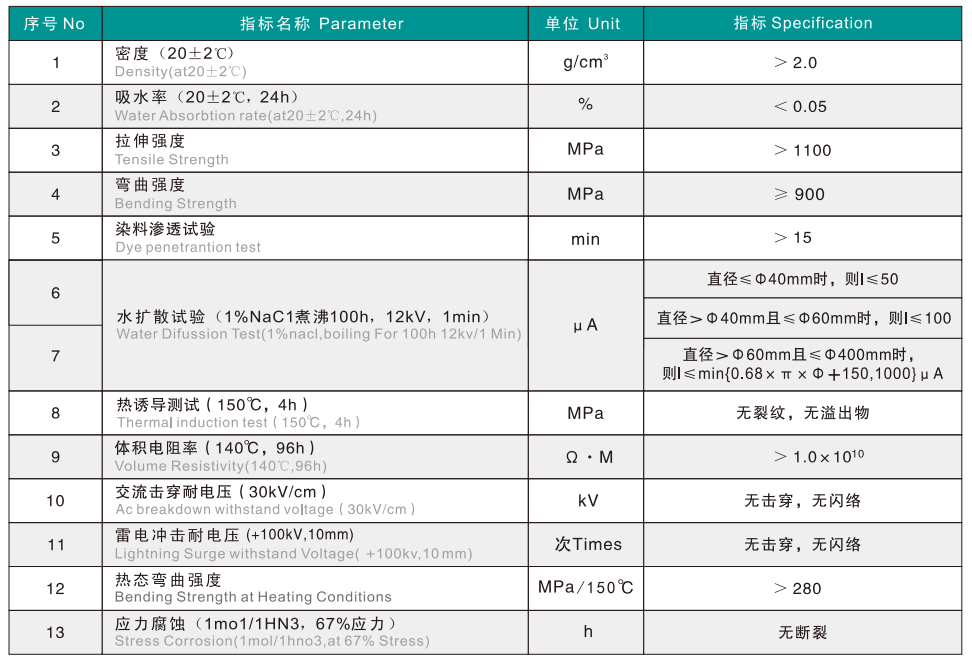
Main Specification
Features
Wax mold release agent will not be added in rod manufacturing in order to guarantee the best splicing. It can
be proved by experiment.
It has excellent mechanical strength,especially in tension and fatigue.
The stress corrosion test of the ECR rod is above 72oo hours.
It has been widely applied in extra high-voltage circles in China.AC 10ookV,DC ± 110okV.