
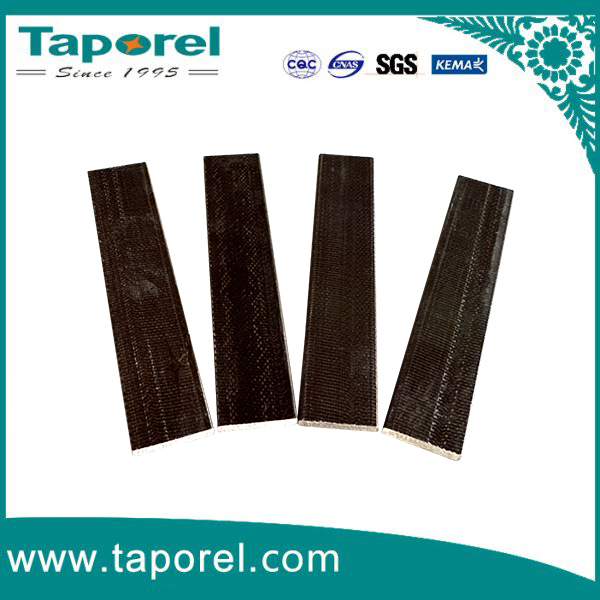
Pultruded Insulation Products for Electrical Motors (Slot Wedges)
Pultruded insulating products:for motors are high-temperature resistantinsulating composite materials based on glass fiber reinforced epoxy resin. Using E-glass roving, glass fabric and glass mat as reinforcing substrates, the products are impregnated with Class F/H high-temperature resistantepoxy resin, continuously pultruded and cured in molds with sectional temperature control.All finished products undergo post-curing heattreatment at 18oC for 5 hours.
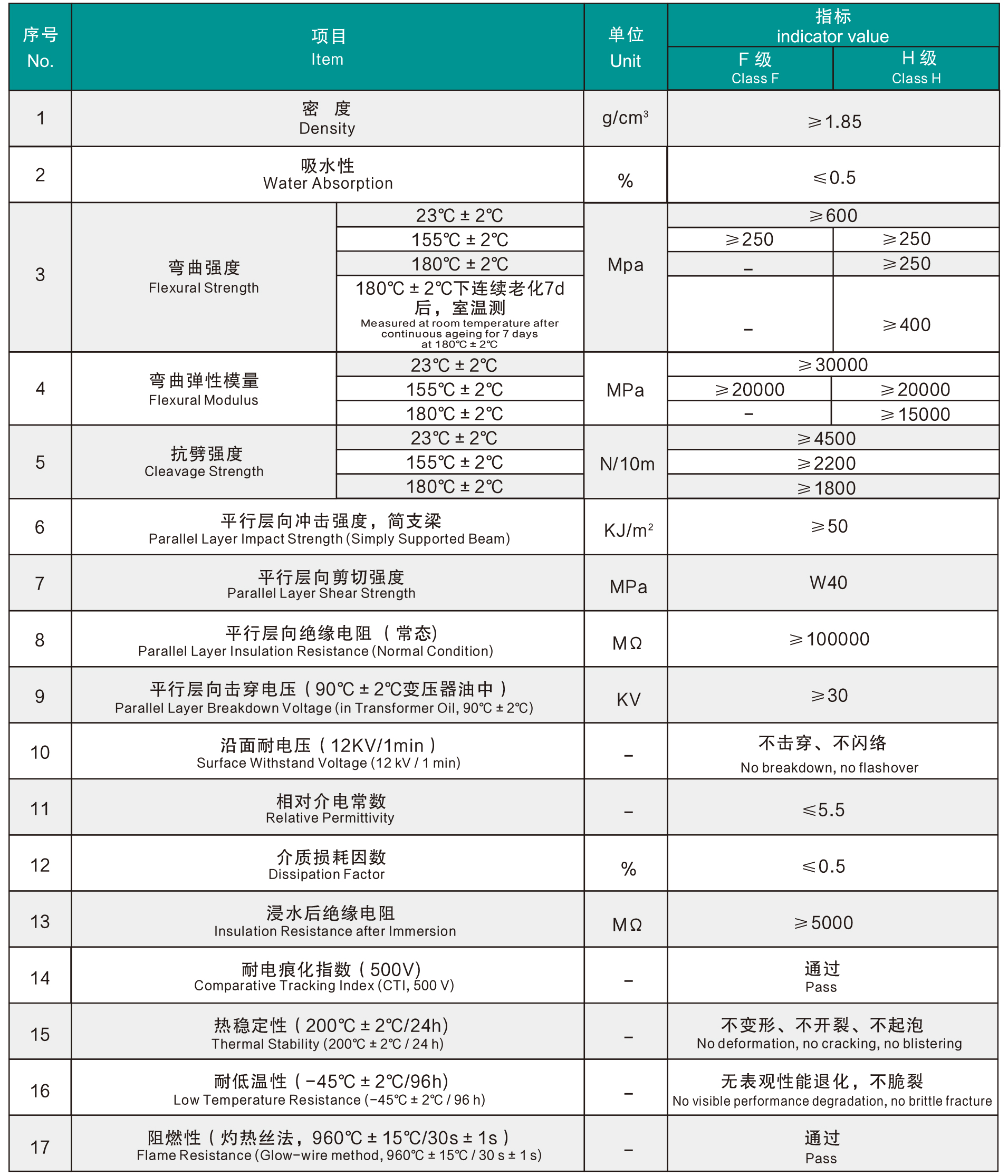
Featuring high mechanical strength,outstanding heat resistance and stable electrical insulation performance, the products are compatible with VPI vacuum pressure impregnation process. They are available in Class F (continuous operating temperature: 155℃) and Class H (continuous operating temperature:
180°C).Widely used for insulating structural components of large and medium-sized motors,transformers, reactors and high-voltage switchgears,typical products includeslot wedges,spacer strips,fastening blocks,filling blocks, pressure strips, support rods, cushion blocks and fixing blocks.
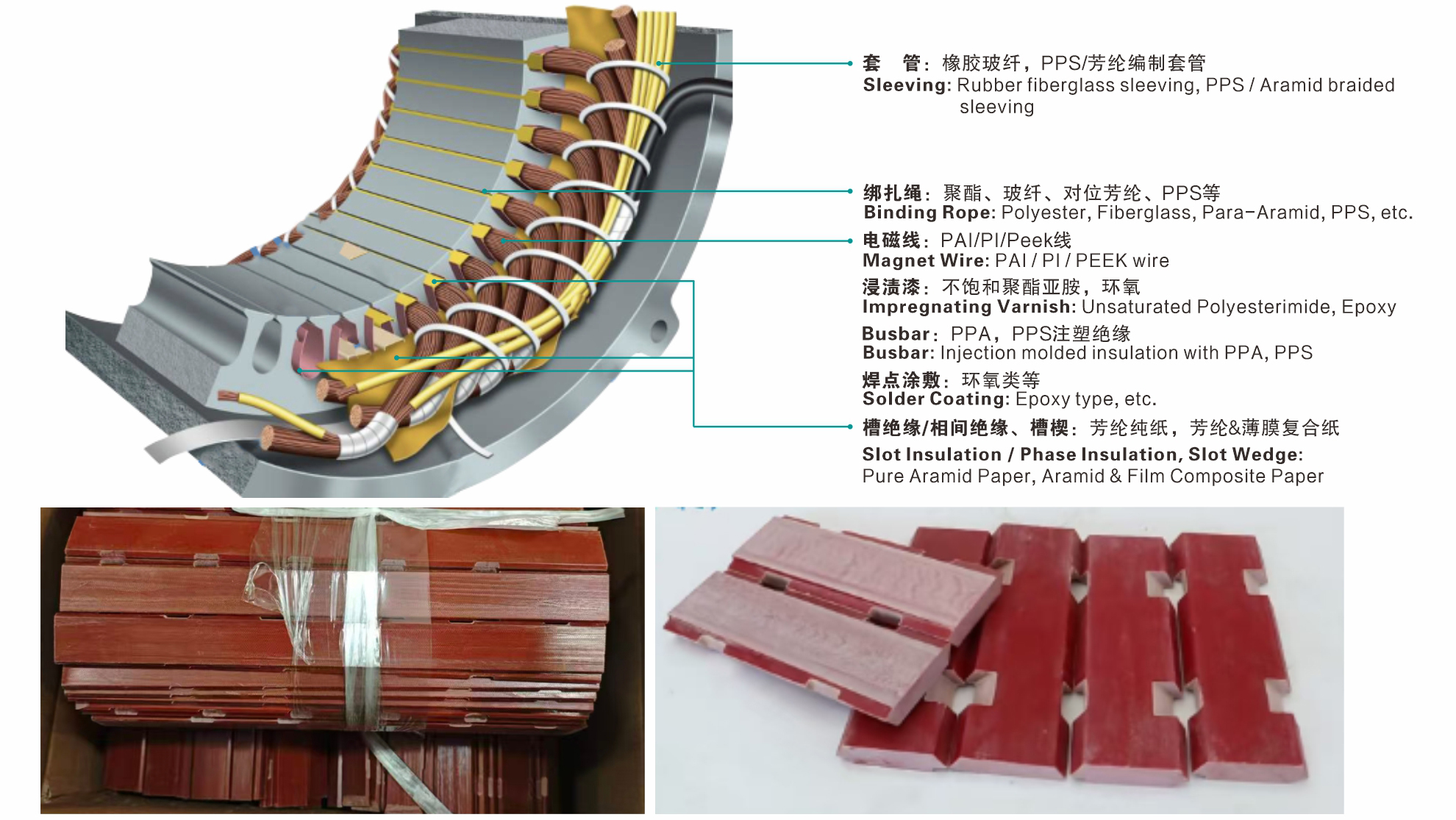
Technical Requirements
1.1 Appearance
The surface of products shall be smooth and flat. Bubbles,exposed fibers,delamination,cracks,oil stains,impurities,obvious grooves and white powder
are not permitted.Slight uniform color difference and minor machining scratches are acceptable.The cutend faces of profiles shall be neat without
delamination, cracking or chipping.
1.2 Machining Requirements
After mechanical processing such as sawing,drilling, milling and grinding,no cracks,delamination, chipping or large-area exposed fibers shall occur on
machined surfaces.
2.2 Storage Conditions
Products shall be stored in dry and clean indoor areas with temperature not exceeding 40℃C.Place supporting pads underneath to keep products at least 5 cm
above the ground. Profiles shal be laid flat and stacked neatly with stacking height no more than 2 m.Keep away from fire sources and heating equipment, avoid
direct sunlight; long-term outdoor storage is prohibited. The shelf life is 24 months. Expired products shall undergo full re-inspection in accordance with this
standard and can only be used after passing inspection.
2.3 Machining Instructions
Pultruded epoxy profiles have low thermal conductivity. Machining shal comply with specifications for insulating composite materials. Cemented carbide cutting
tools are recommended with high cutting speed and smallfeed rate to reduce thermal stress during processing and prevent end-face delamination and cracking.
2.4 Moisture Prevention
NoticeThe machined end faces tend to absorb moisture.It is recommended to perform varnish impregnation or moisture-proof sealing treatment promptly after
machining to avoid deterioration of insulation properties.
2.5 Safety Protection
Cutting and grinding of profiles generate dust and irritating fumes. Ventilation and dust removal equipment shall be equipped at work sites. Operators shall wear
labor protection articles including masks and protective gloves.
2.6 Limitations on Application
The long-term operating temperature of products shall not exceed the limit value of corresponding thermal resistance class. Heavy striking or collision with hard
objects during assembly is forbidden to prevent surface damage and delamination, which would degrade insulation and mechanical properties.
2.7 Packaging Agreement
Products are delivered with standard regular packaging.lf customers require special packaging for moisture-proof, shock-proof or export protection purposes,
the packaging scheme, materials and related costs shall be negotiated by both parties.
2.8 Custom Technical Service for Operating
ConditionsAccording to different operating conditions and service environments of customer equipment, such as operating temperature, voltage,humidity,salt
spray,vibration, high-low temperature cycling and VPI varnish impregnation, our company can provide exclusive customized technical solution design,including
material modification, cross-section structure optimization, formula adjustment, special aging tests and other supporting services to meet the requirements of
long-term stable operation of equipment.


